


 Call us:



Food Service Excellence - Meat Cutting and Processing
-
 By
BCcampus OpenEd
- 21/11/2019
Course Description
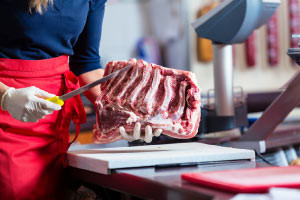
This course covers the key procedures and inspection steps in the meat cutting and processing industry. These are essential for any meat product being sold, whether in a retail setting or to restaurants, as they ensure the maintenance of high standards in the supply chain. We also provide a basic understanding of the various meats and cuts, from beef to pork and beyond, and go over the specialist terms used in the food service industry.
The course starts with a module on the science and nutrition of meat that explains its composition and terms like ‘marbling’. We also cover the chemical changes that can happen in the animal before and after slaughter, the ageing of the meat, its fibres and factors affecting tenderness. We examine meat colours and show you how to prevent discoloration by identifying possible abnormalities and diseases associated with meat and meat products. We study nutrition in meat, the effect of human-introduced residues of hormones and antibiotics and proper handling and storage procedures.
The course conducts a case study that covers the Canadian inspection and grading regulations for various meats to illustrate how different meats have different grading types and levels. In our final module, you are taken through the different cuts of meat taken from the meat cutter or animal carcasses, including prime and sub-prime cuts, which are then broken down into smaller retail cuts for restaurant and shop use. This course is of great interest to anyone working in the food service industry and can help farmers learn about how their livestock is processed. Sign up today to gain valuable meat cutting and processing skills to help you find work as a butcher.
What you'll learn in this course?
-
Catering
-
Food Service
-
Food Technology
-
Cooking
-
Chef
Course Curriculum
- Learning Outcomes
- Composition of Meat
- Chemical Changes Associated with Slaughter
- Aging of Meat Carcasses
- Meat Fibres and Tenderness Factors
- Preventing Discolouration and Abnormalities in Meat
- Diseases Associated with Meat
- Human-Introduced Residues in Meat
- Meat Nutrition
- Meat Handling and Storage Procedures
- Lesson Summary
- Learning Outcomes
- The Meat Inspection Process
- Case Study: Canadian Grading Regulations for Beef
- Case Study: Canadian Grading Regulations for Veal
- Case Study: Canadian Grading Regulations for Lamb and Pork
- Case Study: Canadian Poultry Grading
- Case Study: Canadian Game Processing, Inspection, and Grading
- Lesson Summary

BCcampus OpenEd
British Columbia, Canada.
$20.00
Course includes:
-
 Duration
1.5-3 hrs
-
 Modules
4
-
 Certifications
certificate
After you complete the course, receive a digital certificate or request a printed copy shipped to you.
