


 Call us:



Structure of Proteins
-
 By
NPTEL
- 26/03/2021
Course Description
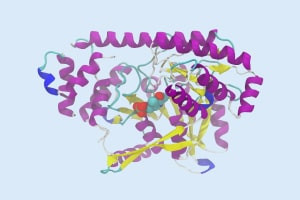
This course breaks down the structural and functional aspects of proteins. The first half of the course describes their hierarchical structure and explains the secondary and tertiary structure of peptides and proteins. The amino-acid sequence characterizes the primary structure of proteins. The secondary structure is the initial folding of the sequence into alpha helices, beta sheets and beta turns. The tertiary structure is a more complex folding of the protein and the quaternary structure is the combination of two or more of the same protein. We offer insight into techniques like X-ray crystallography, nuclear magnetic resonance (NMR) and electron microscopy used to determine the three-dimensional structure of proteins. We then demonstrate the use of Ramachandran plot to analyze the structure of proteins and illustrate the need for rotation around bonds in order to clarify different geometries in protein structure. The course explains how to determine which bonds in the polypeptides are free to rotate and describes the ‘steric effect’ and various protein purification techniques such as ion exchange chromatography, sodium dodecyl sulphate–polyacrylamide gel electrophoresis (SDS PAGE) and isoelectric focusing.
The protein-purification process is based on the main parameters of molecular weight, charge, solubility and affinity. This course covers the purification of proteins by proteomics and gel filtration. ‘Proteomics’ means the study of all the proteins found in any structure. We also examine protein-purification using ion exchange chromatography and two-dimensional gel electrophoresis. The course then explores the different functions of proteins, starting with their role in catalyzing various reactions in our bodies. Such proteins are called ‘enzymes’. We provide a detailed explanation of enzyme-catalyzed reactions, types and classes of enzymes and their cofactors. There are six classes of enzymes that are always written in a specific sequence as per the requirements of the relevant nomenclature system. We address the Michaelis-Menten constant and maximum value of rate in the context of enzyme-catalyzed reactions and the factors that affect them. We conclude with an explanation of the catalytic activity of serine and other types of proteases.
Proteins are associated with living organisms but this biological chemistry course investigates the chemical structure of proteins and opens new windows in the quest for further research and advanced learning. Chemists need to know the basics of biology to understand the nature and type of chemistry that goes on in biological systems and biologists must analyze the precise microscopic details of any process of synthesis or decomposition. This course is thus useful in a contemporary scientific environment and offers scope for advancement not only in the areas of academics or research and development but in pharmaceutical sales and manufacturing or even scientific regulation. Sign up to gain insight into the hidden building blocks of life.
What you'll learn in this course?
-
Molecular Biology
-
Science
-
Organic Chemistry
-
Biochemistry
-
Biology
-
Chemistry
Course Curriculum

NPTEL
India
$20.00
Course includes:
-
 Duration
3-4 hrs
-
 Modules
3
-
 Certifications
certificate
After you complete the course, receive a digital certificate or request a printed copy shipped to you.
